1.- Maintain favorable levels of blood pressure and cholesterol.
Many older people are surprised to learn that there are common risk factors between heart disease and Alzheimer's disease. But if you think about how the vascular system supplies blood to the brain, it makes sense that impaired blood flow can lead to damage to brain tissue. The small arteries in the brain are sensitive to elevations in blood pressure, and long-term hypertension can injure them.
Several studies support the connection between blood pressure and brain health. Higher blood pressure correlates with poorer cognitive performance and damage to brain tissue.
According to long-term studies, the risk of Alzheimer's disease and other forms of dementia is more than doubled if systolic blood pressure is within or above the range of 140-160 mmHg.
Cholesterol plays a role in the formation of beta-amyloid plaques, the characteristic damage of Alzheimer's disease, and elevated cholesterol levels increase the production of beta-amyloid plaques.

2.- Check your vitamin D level.
Low levels of vitamin D are related to cognitive impairment. Vitamin D is involved in memory formation. Several studies associated vitamin D deficiency with an increased risk of cognitive impairment or dementia in older adults. In addition, the vitamin is involved in regulating glucose and calcium transport to and within the brain, and may also protect cognition by reducing inflammation and increasing the availability of certain neurotransmitters. Monitor your vitamin D level with a blood test. The optimal level is between 30 and 45 ng/ml.

3.- Take the brain support supplements Omega-3 DHA and vitamin B12.
Maintaining sufficient levels of the omega-3 fatty acid DHA in the brain is an important measure to prevent neurodegenerative diseases later in life. Studies have shown that higher intake and higher circulating omega-3 DHA is associated with greater brain volume and a lower risk of Alzheimer's disease.
The risk of vitamin B12 deficiency increases with age; approximately 20 percent of adults over age 60 are insufficient or deficient. Vitamin B12 deficiency causes problems in the brain, such as confusion, depression and poor memory. A deficiency in this important vitamin has been associated with Alzheimer's disease. Since your body's ability to absorb vitamin B12 decreases with age and the vitamin is not present in plant foods, it is advisable to supplement it. In addition, the RDI is insufficient for flexitarians, vegans and the elderly.

4.-Limit your consumption of red meat and other animal products.
Copper and iron are essential minerals present in large amounts in red meat; these minerals accumulate in the body over time and, in excess, can damage the brain.
Instead, they can be obtained in non-hazardous amounts through healthier choices, such as sesame and pumpkin seeds, edamame and other beans. Both excess copper and excess iron contribute to oxidative stress in the brain and are involved in the formation of beta-amyloid plaque in the brain.

5.- Focusing on whole plant foods
A good rule to follow is that 90% or more of your diet should be whole plant foods, i.e., vegetables, fruits, legumes, nuts and seeds. A diet high in these foods and low in meat and dairy was associated
with a 36 percent decrease in the risk of Alzheimer's disease.
Make sure your diet is rich in healthy, natural plant foods and add more raw vegetables to your diet by eating a large salad as a main dish at least once a day.
Add beans, tomatoes, raw onions and a nut or seed-based salad dressing.

6.- Eat blackberries frequently
Phytochemicals found in vegetables and fruits may help alleviate oxidative stress and inflammation in the brain which reduces the risk of Alzheimer's disease.
Blackberries in particular have been noted for their protective effects on the brain. Several different berries have been found to slow down or reverse age-related declines in the
brain function in animals. In addition, blueberries, and also pomegranate, have shown promising results in human studies, suggesting that these phytochemical-rich foods may help to
improve memory in older adults.

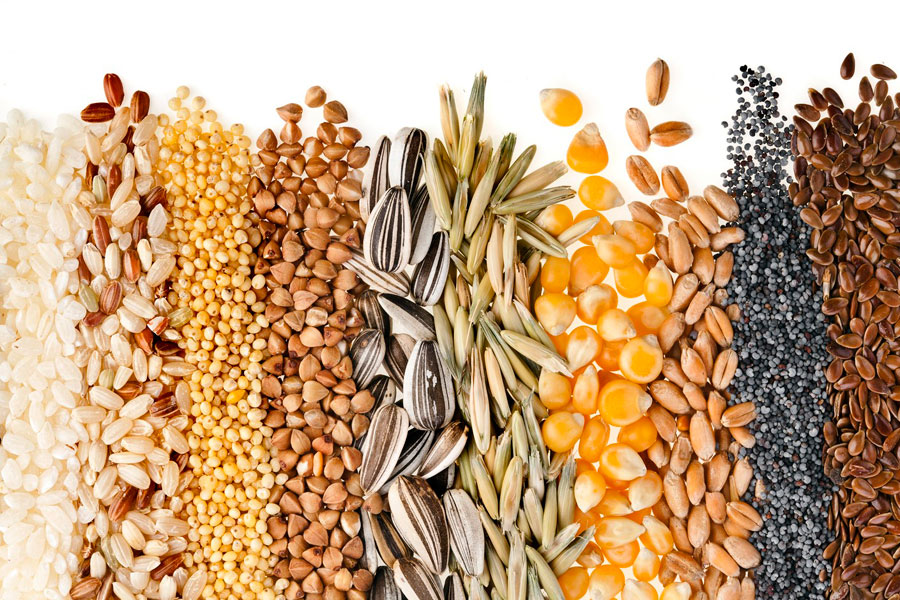
7.- Make nuts and seeds your main source of fat.
Research indicates that consumption of walnuts may benefit brain function. Walnuts are rich in the essential omega-3 fatty acid ALA (precursor of DHA and EPA) and
observational studies have linked higher nut consumption with better working memory. Higher total nut consumption is associated with better overall cognitive function.
8.-Avoid salt in your diet.
High salt intake hardens arteries and increases blood pressure damaging the delicate blood vessels in the brain, impairing blood flow in brain tissue and increasing the chances of cognitive impairment. Season your food with herbs and spices or try foods with a touch of citrus or flavored vinegar or use a salt-free seasoning blend.

9.- Stay away from added sugars in your diet.
Excess sugar can impair your cognitive abilities and also contributes to high blood pressure. High amounts of sugar cause dangerous elevations in blood glucose that can lead to blood vessel damage, and there is evidence that this damage contributes to a progressive decline in brain function. Even a single instance of hyperglycemia could be harmful, as sluggish cognitive function and deficits in memory and attention have been reported. In addition, frequent exposure to high glucose levels is likely to decrease mental capacity, as higher HbA1c levels have been associated with a greater degree of brain shrinkage. Instead, satisfy your sweet tooth with fresh fruit that will give you the added benefits of fiber and fruit antioxidants.

10.- Keeping active
A balanced lifestyle helps to improve overall well-being. Regular exercise has favorable effects on the brain at all stages of life. One likely reason is that during physical activity there is better blood flow to the brain and regular exercise helps maintain healthy blood vessels. Exercise also helps brain tissue produce more mitochondria, which are responsible for cellular energy production.
In adults over 60 years of age, physical fitness is associated with improved memory, cognitive function and reaction time. High levels of physical activity are associated with a reduction in memory
significant increase in the risk of Alzheimer's disease.