


IS IT STRESS?
Stress is essential for life. It made perfect sense thousands of years ago when human beings used to hunt and it alerted them to danger in order to execute a “fight or flight”. Nowadays, adversities are very different and everyday or work situations lead us to activate this stress mechanism without the need for our life to be in danger.
Today's stresses, such as money problems or deadlines at work, do not cause a “fight or flight” response; as we once needed to survive in nature, but they do cause the body to release stress hormones.
When you are in shock or perceive something as a threat, the body releases hormones (chemicals produced by the body), such as adrenaline, that contribute to the “fight or flight” response. These hormones increase your heart rate and blood pressure to get more oxygen and glucose to your muscles.
Many of the body's control mechanisms act without you having to think about them, as your response is involuntary to unexpected stressful events, which allows you to adapt or manifests itself in reactions such as speeding up your thinking, employing more energetic behavior, increasing your efficiency to successfully overcome certain situations.
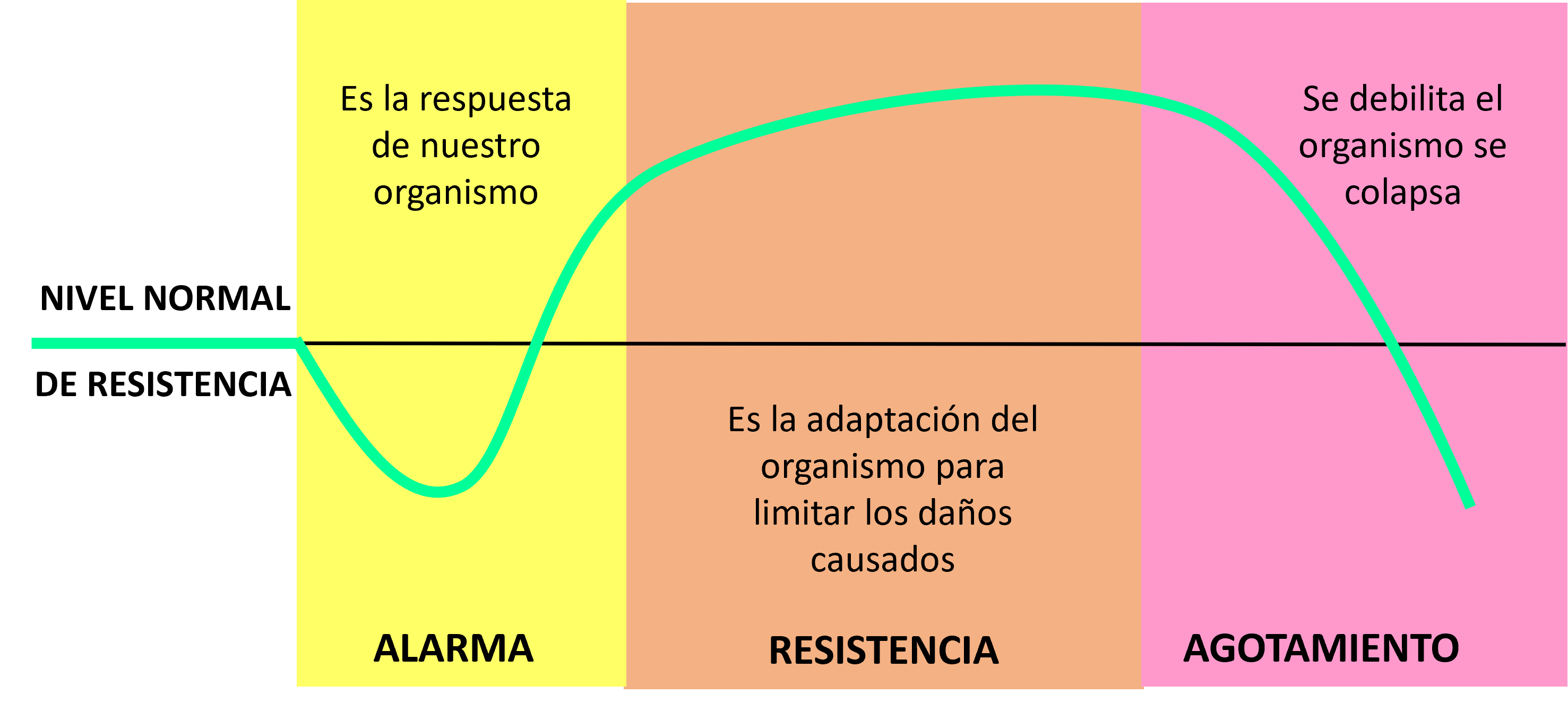
However, it begins to be detrimental when the energy or resources expended are not recovered. If this happens, there is a significant wear and tear on the organism.
PHASES
Whenever we are faced with a stress response, the following phases occur:
AS AFFECTS
In fact, stress symptoms can affect your body, your thoughts and feelings, and your behavior. Being able to recognize common symptoms of stress can help you manage them.
| YOUR BODY | YOUR MOOD | YOUR BEHAVIOR | |
| Headache | Anxiety | Overeating | |
| Muscle tension or pain | Concern | Anger outbursts | |
| Chest pain | Lack of motivation or focus | Drug or alcohol addiction | |
| Fatigue | Feeling overwhelmed | Tobacco Consumption | |
| Change in sexual desire | Irritability or anger | Social isolation | |
| Sleep problems | Depression | Exercise less frequently | |
| Upset stomach | Sadness | Absence of physical activity |
WHAT TO DO?
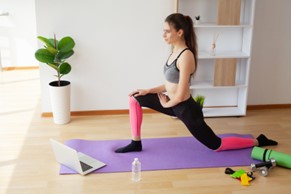

Get moving to manage stress.
- Exercise to clear your mind
- Practicing relaxation techniques, such as deep breathing, meditation, yoga, tai chi, or massage
- Maintaining a sense of humor
- Spending time with family and friends
- Enjoy your favorite hobbies
Make sure you get enough sleep, maintain a healthy and balanced diet.
